Iraq
Humanitarian access and safe passage negotiated with tribal leaders and armed actors along the Syrian border; reconstruction of Al Qaim hospital’s operating theatre secured.

Negotiation · Diplomacy · Mediation
Facing a negotiation where the stakes are unusually high? It will not be decided by instinct or goodwill. It will be decided by strategy — and by whether you can reach the person who actually decides.
Seventeen years negotiating access, ceasefires, and cooperation in places where formal channels had failed — now advising institutions and private clients on negotiations that carry real risks.
Negotiating for institutions, organizations, corporates and sovereign funds high-stake negotiations.
Request a Confidential Conversation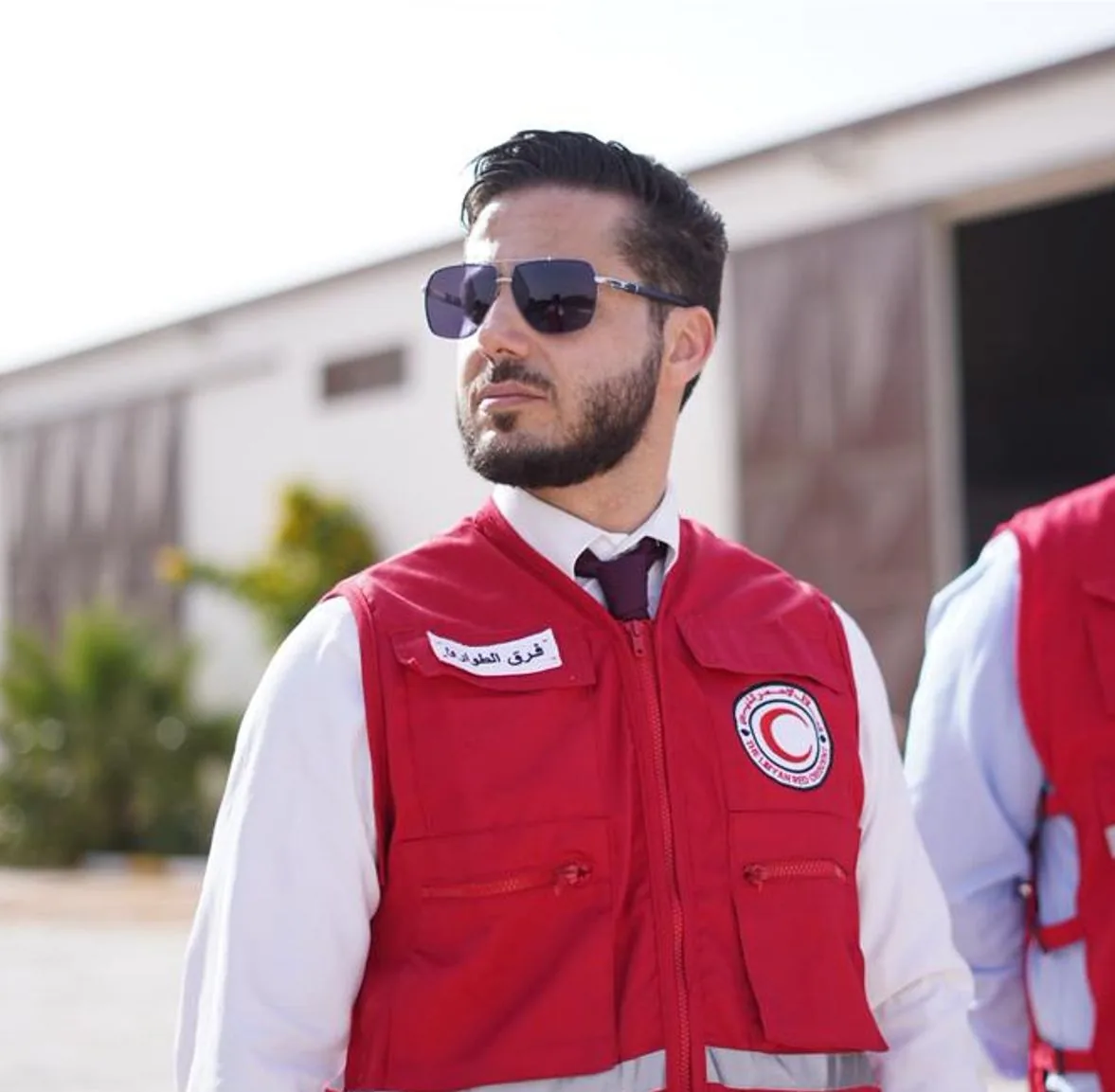
The highest-stakes negotiations are rarely public. They happen where trust has broken down, where the other side holds the leverage, and where the cost of failure is measured in more than money.
The Practice
Direct engagement in negotiations where conventional approaches do not apply — deadlocked commercial disputes, sensitive institutional standoffs, and situations where access itself must first be negotiated.
Advisory to governments, National Societies, and international organisations on humanitarian access negotiation, ceasefire negotiation, and rebuilding coordination after crisis — including direct engagement with non-state armed groups.
Structuring alliances and capital relationships across jurisdictions — governance, fundraising, and counterpart negotiation with institutional investors and sovereign-adjacent entities in the GCC and beyond.
In the Field
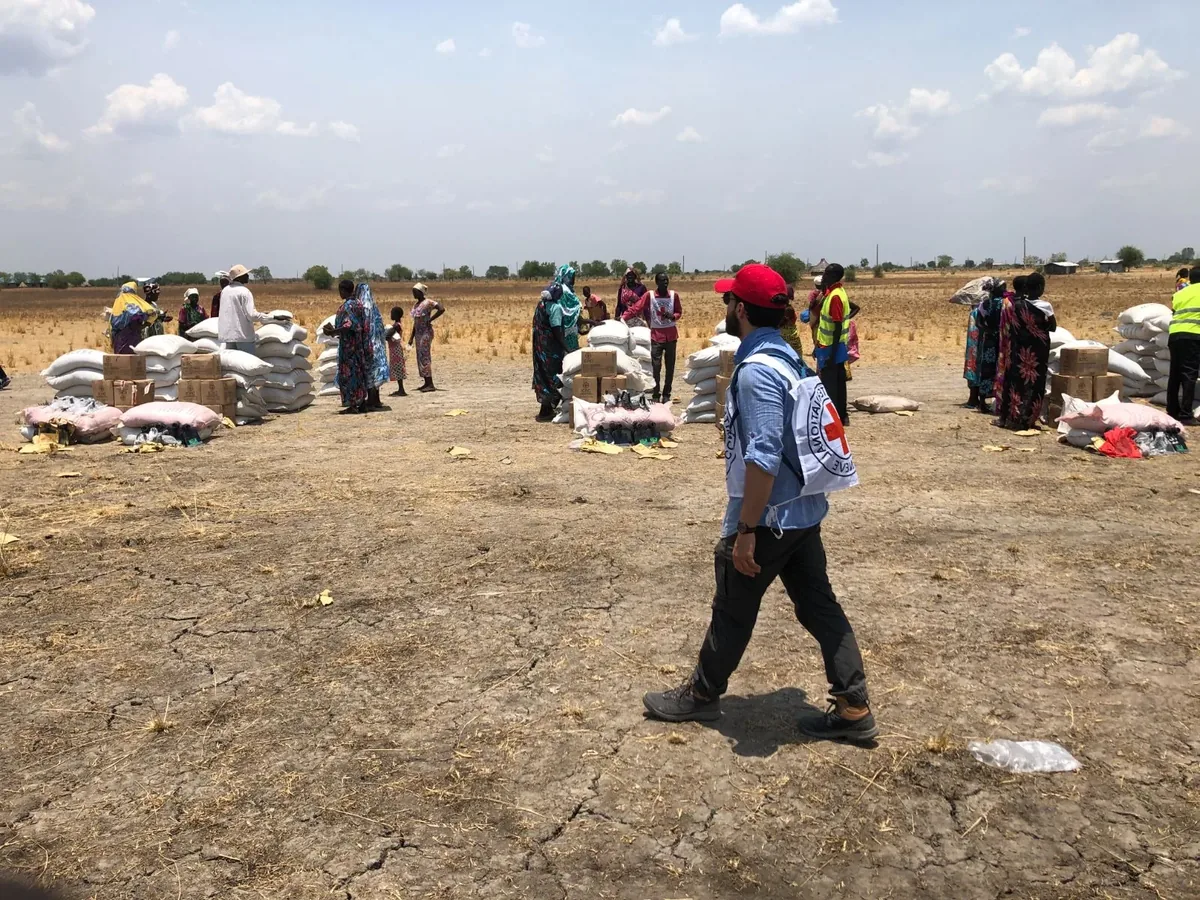
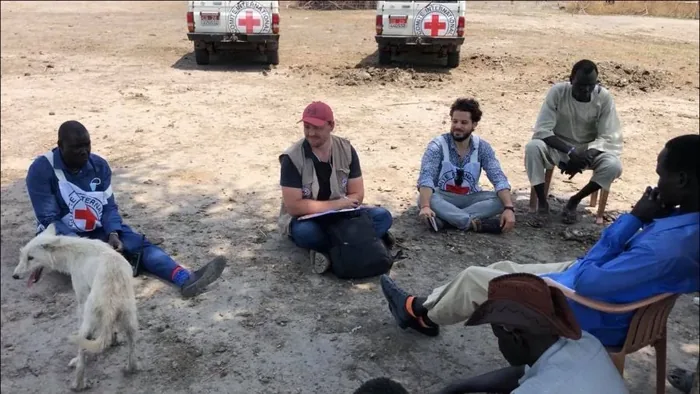
South Sudan
Frontline Distributions
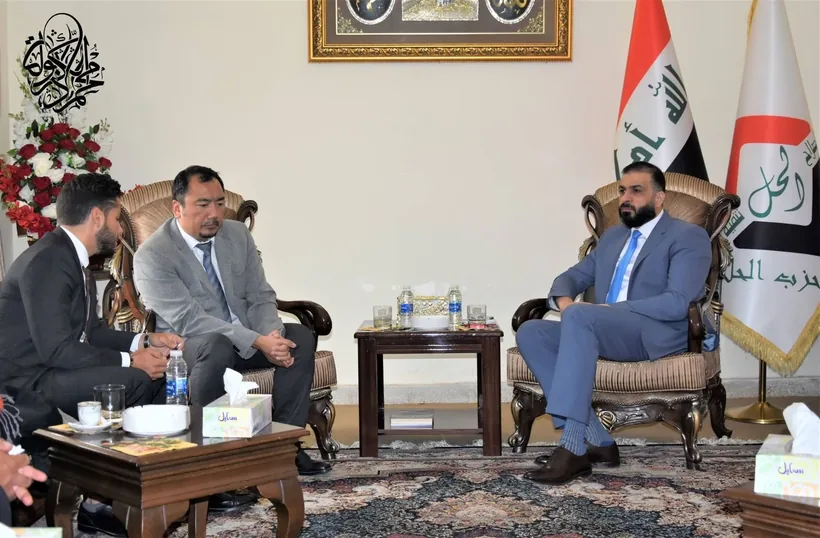
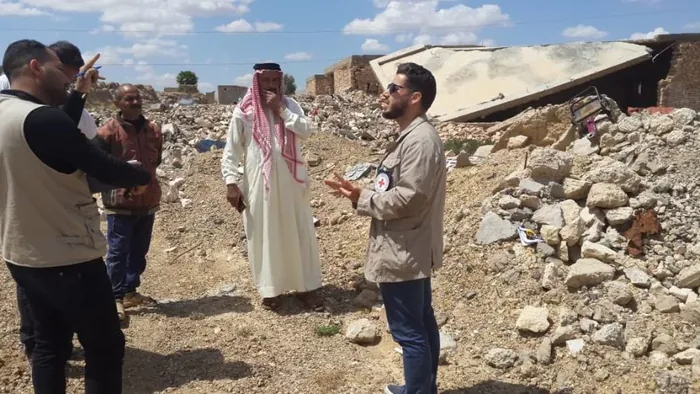
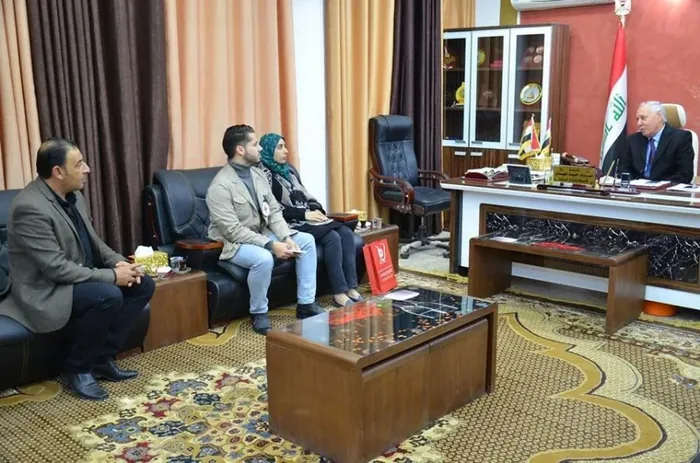
Iraq
Political Engagement
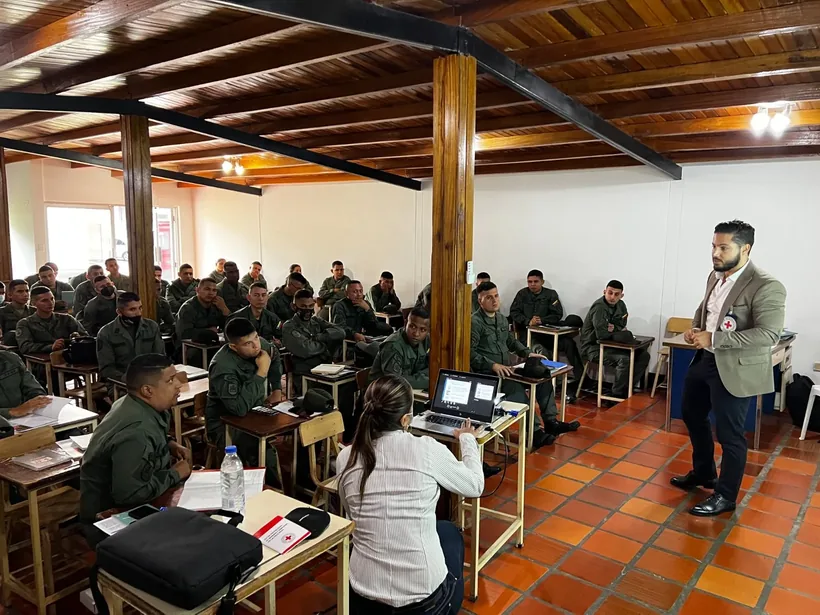
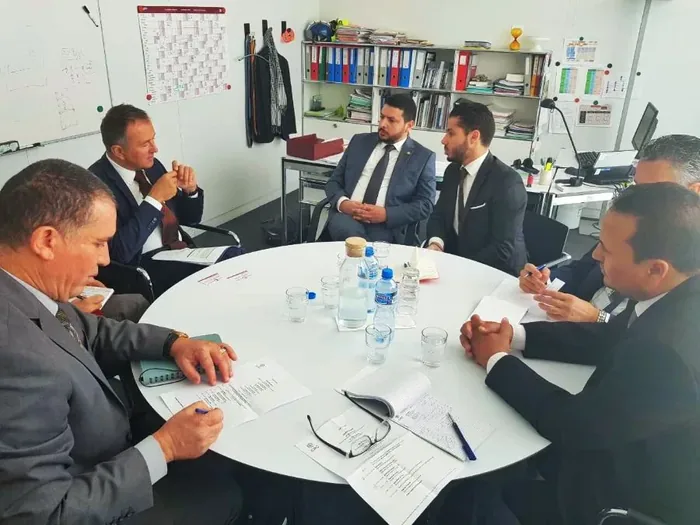
Venezuela
International Humanitarian Law · Armed Forces
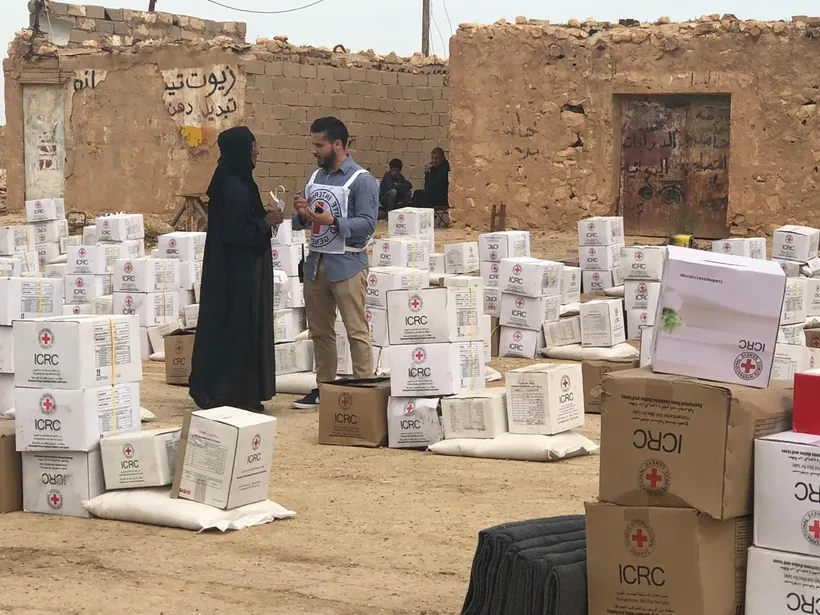
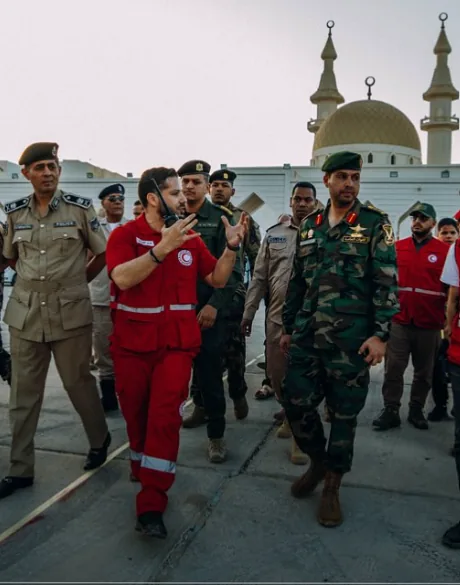
Iraq
Al Anbar · Field Operations
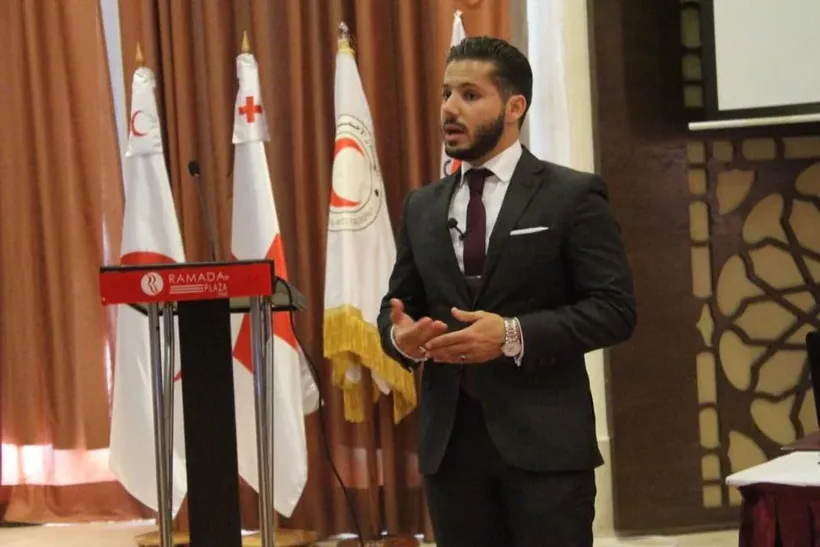
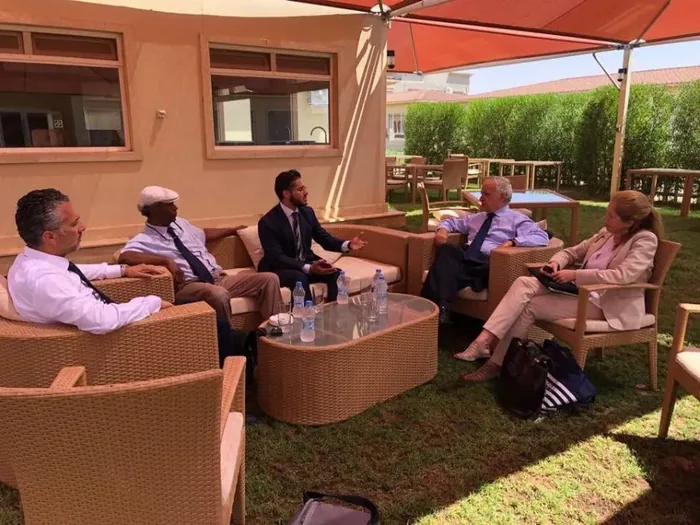
Tunis
Red Cross Red Crescent Movement Address
Field Record
A selection of engagements.
Iraq
Humanitarian access and safe passage negotiated with tribal leaders and armed actors along the Syrian border; reconstruction of Al Qaim hospital’s operating theatre secured.
Venezuela
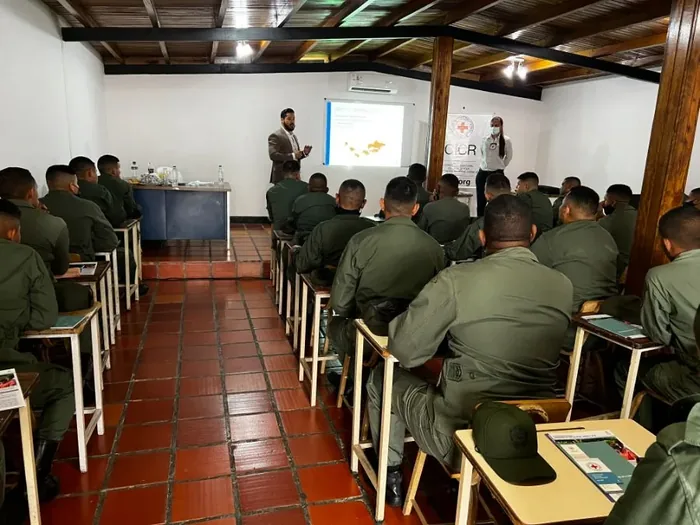
First outside access in over two years to Guaromito on the Colombian border, negotiated directly with ELN, FARC, and the Guardia Nacional Bolivariana.
South Sudan
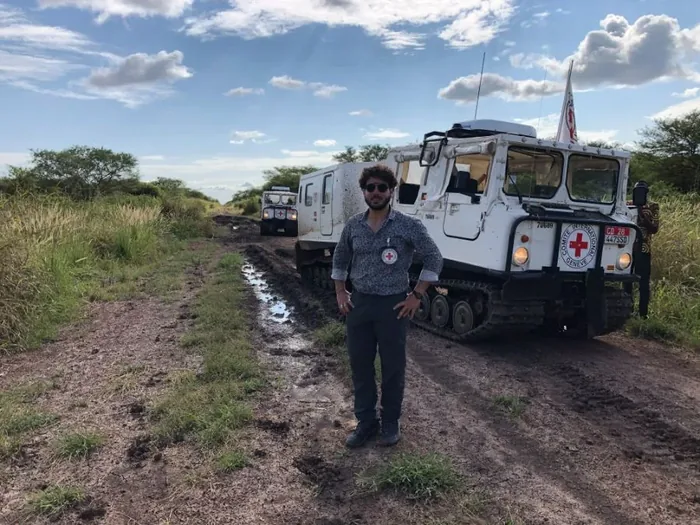
Frontline medical evacuations by helicopter and river boat negotiated during a six-month COVID lockdown, while also responding to tribal conflict.
Libya
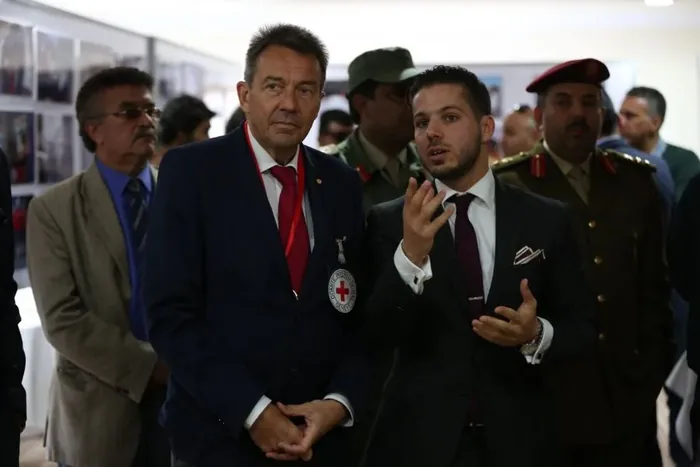
Ceasefires and civilian evacuation corridors negotiated during the Benghazi conflict; institutional partnership with IFRC later restored after a two-year breakdown.
Jordan
A resettlement pathway negotiated for Palestinian refugees from Syria left outside UNHCR and UNRWA registration, in direct coordination with embassies.
Geneva
Trains humanitarian negotiators worldwide as a CCHN-certified facilitator, supporting CCHN and Frontline Associates programmes.
Spain
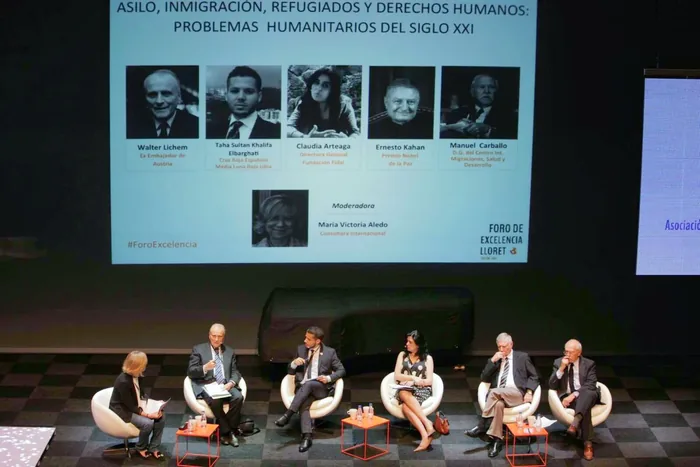
Migration strategy coordinated across 26 Red Cross National Societies during the Mediterranean crisis; represented the Centre at the Foro de Excelencia alongside Nobel laureates.
Abu Dhabi
A private fund’s operating infrastructure established in ADGM; capital and governance arrangements negotiated with institutional investors and family offices across the GCC.
Certifications
Certified Facilitator
Centre of Competence on Humanitarian Negotiation (CCHN), Geneva
Certified Diploma
Negotiation in Humanitarian Frontline — Université de Genève
Certified Diploma
Public & Humanitarian Diplomacy — DiploFoundation
Academic Partner
Frontline Associates & Harvard School of Engineering — AI-Supported Negotiation
Service Models
Four modes of engagement, scaled to the exposure the work carries. The difference between them is simple: how much of the negotiation you hand over. The right entry model is determined through direct consultation.
Model A
You negotiate. I prepare you.
Closed-door briefing session with leadership, mapping and identifying the real challenges. Then a tailored negotiation strategy presentation, extended to two-to-three day training in groups, with scenarios and simulations.
Model B
You negotiate. I am behind you throughout.
Post-NDA intensive mapping sessions with key stakeholders, concentrating entirely on one live deal, analyzing leverage points and deal dynamics. Then one to three tailored strategy sessions, with ongoing advisory follow-up between every meeting.
Model C
You negotiate. I am in the room.
Physically present in the negotiation room, monitoring silently, with ongoing advisory and guidance on managing the negotiation as it unfolds.
Model D
I negotiate. You set the mandate.
Official negotiator of record, acting under the title of “Advisor” to negotiate on your behalf. Deep, integrated, hands-on negotiation across a months-long engagement.
Approach
Principles formed in negotiations where the cost of getting it wrong was absolute.
I
The negotiations that matter most are the ones no one hears about. Publicity narrows options; confidentiality preserves them. Every engagement is held in strict confidence, and outcomes are attributed to the client — never claimed.
II
Field negotiation teaches that positions shift only after trust is established. The first objective in any deadlock is not agreement — it is a counterpart who is willing to keep talking.
III
Mapping the counterpart — their constraints, their hierarchy, the pressures they answer to — before the first meeting. Most negotiations are decided by what happens before anyone sits at the table.
IV
Knowing which concessions are recoverable and which are not. Seventeen years of negotiating under real consequence builds an instinct for the difference — and the discipline to walk away when the terms demand it.
Field Archive
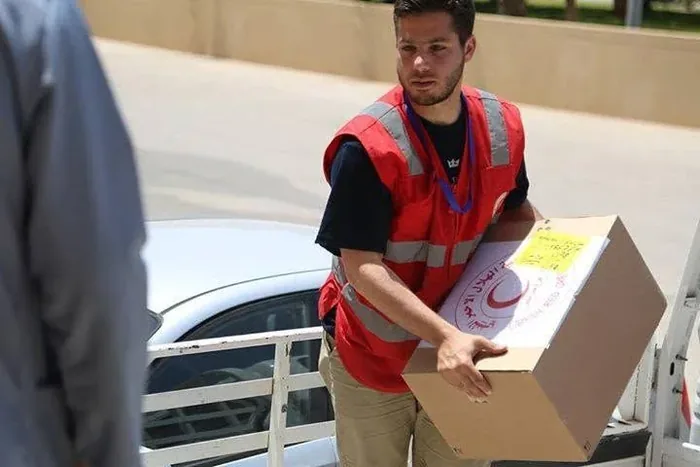
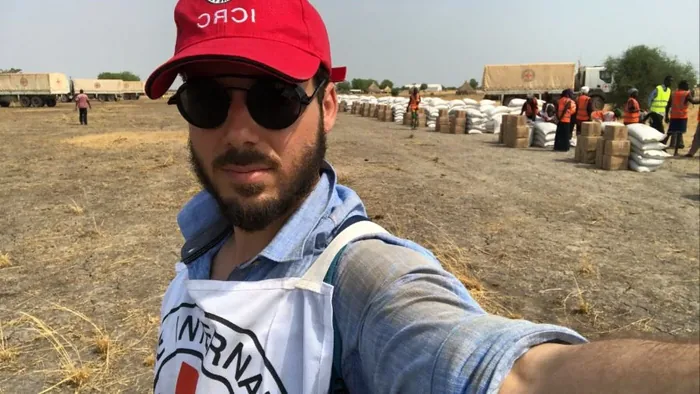
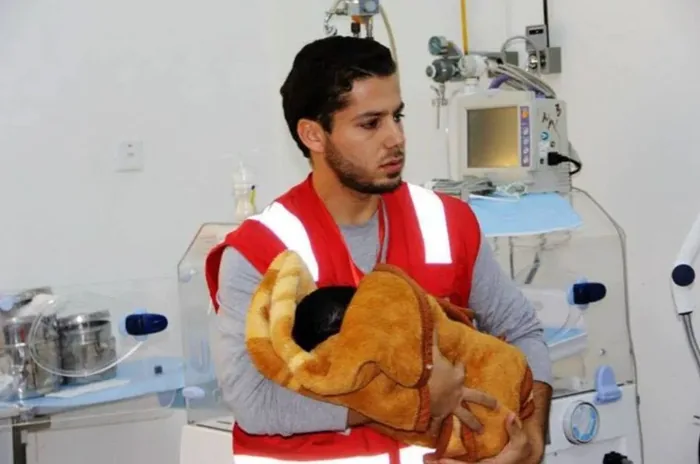
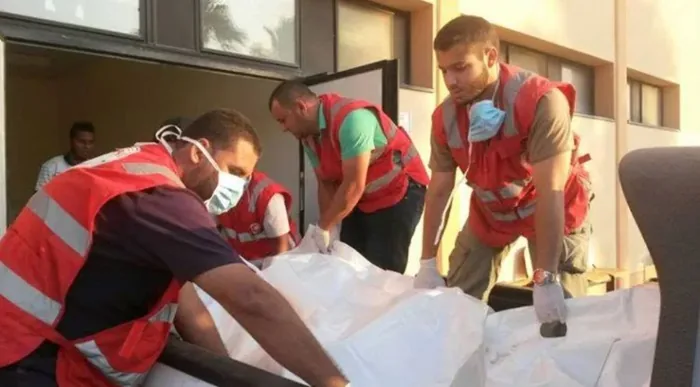
In Conversation
Recent notes and field commentary, shared on LinkedIn and Instagram.
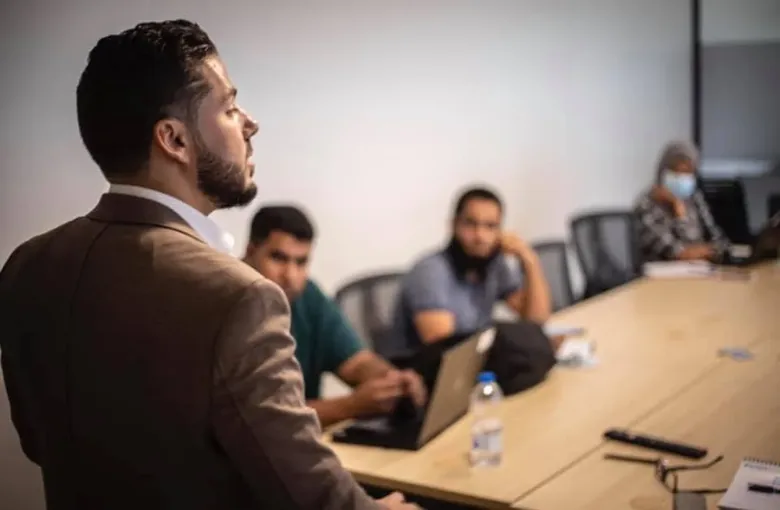
You don’t need negotiators — on the cost of negotiation, and when it is actually required.
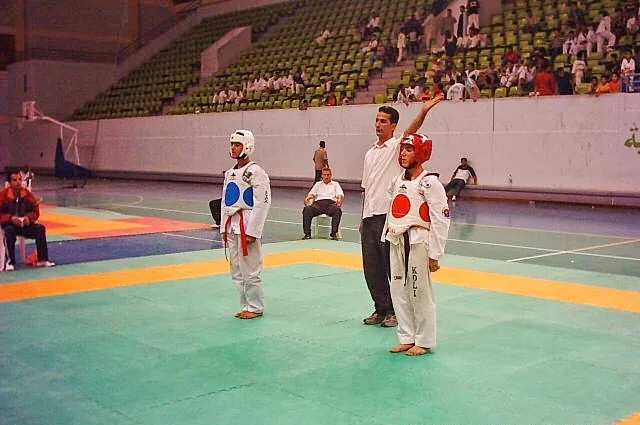
Where negotiation has no place — the Taekwondo ring, and why the real work happens before the encounter.
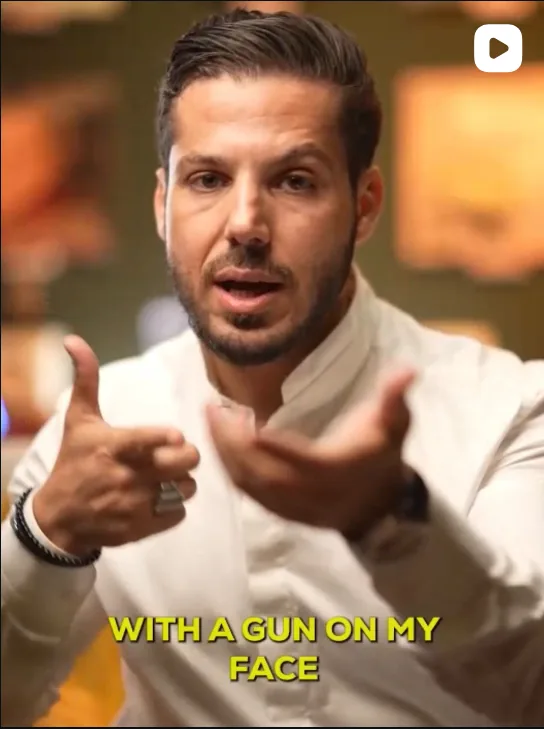
Treating the wounded with a gun in the room — a conversation on judgement under extreme pressure.
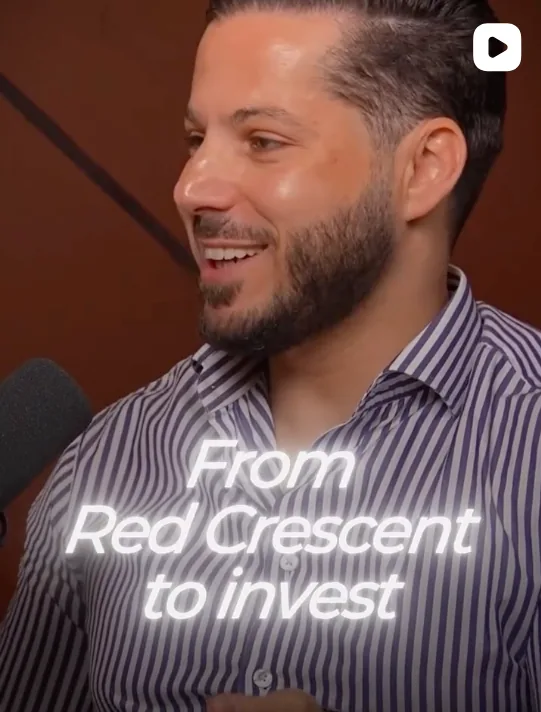
Ep. 01 — a short film series on real negotiation moments, from frontline operations to diplomatic rooms.
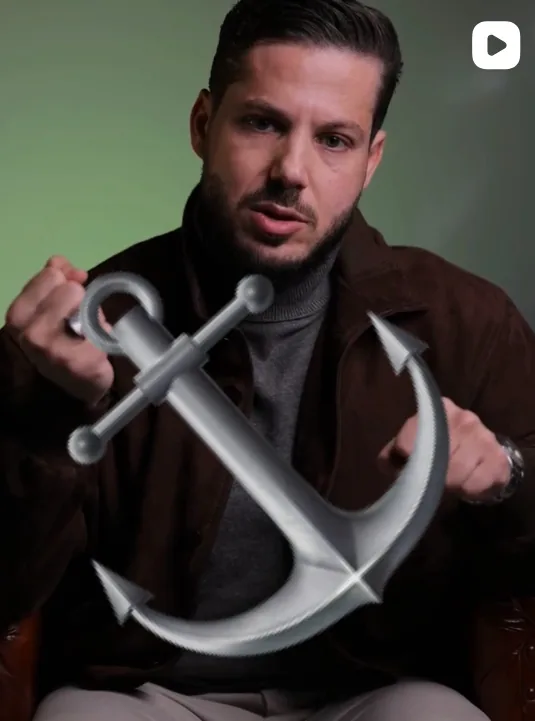
Don’t walk into a negotiation with management unprepared — set the anchor first.
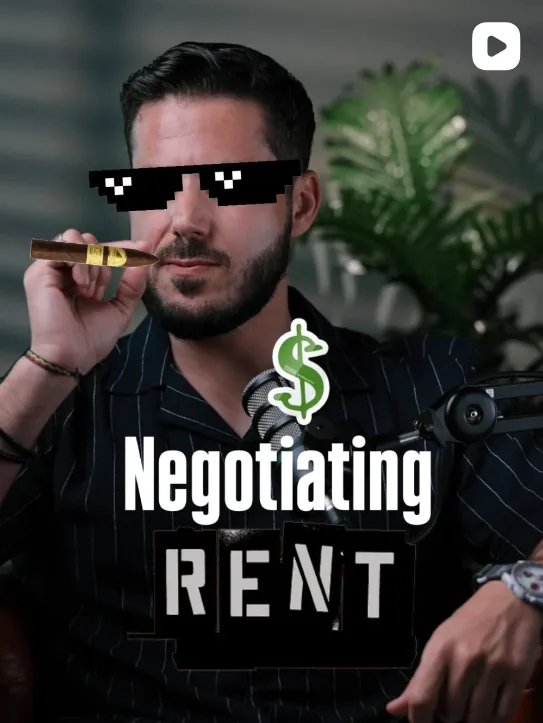
When the rent price is not the real negotiating point.
Teaching & Recognition
Re-negotiated and restored diplomatic relationship between Libyan Red Crescent and the IFRC after a two-year funding suspension, leading to the official opening of IFRC delegation in Libya.
Secured the Libyan Red Crescent’s election to the IFRC Governing Board with the highest vote count in Africa — a landmark for a newly formed National Society.
Established the family office’s UAE operating infrastructure in ADGM: governance, due diligence, and investor relations in a multi-jurisdictional environment.
Frontline negotiation training for humanitarian professionals and NGOs, delivered in three languages across Europe, Africa, the Middle East and Latin America.
Education
Alternative Investments
Harvard Business School
Business, International Relations & Political Economy
London School of Economics LSE
Investment Management
University of Geneva
Managerial Finance, Analysis & Management Accounting
London School of Economics LSE
Negotiation in Humanitarian Settings
CERAH, Geneva
Humanitarian & Public Diplomacy
DiploFoundation
BSc Dentistry & Dental Surgery
Benghazi University
Languages
Arabic · English · Spanish